
Taxi business profit margin in the UK: where the money goes
The short answer
A taxi business profit margin is what's left of the firm's income after every cost, as a share of that income. How you're paid shapes it: a firm acting as its drivers' agent earns their rent or commission, while a firm acting as principal takes the whole fare and pays its drivers. Office wages at £12.71 an hour, licence fees, card fees and VAT once turnover passes £90,000 all come out before profit.
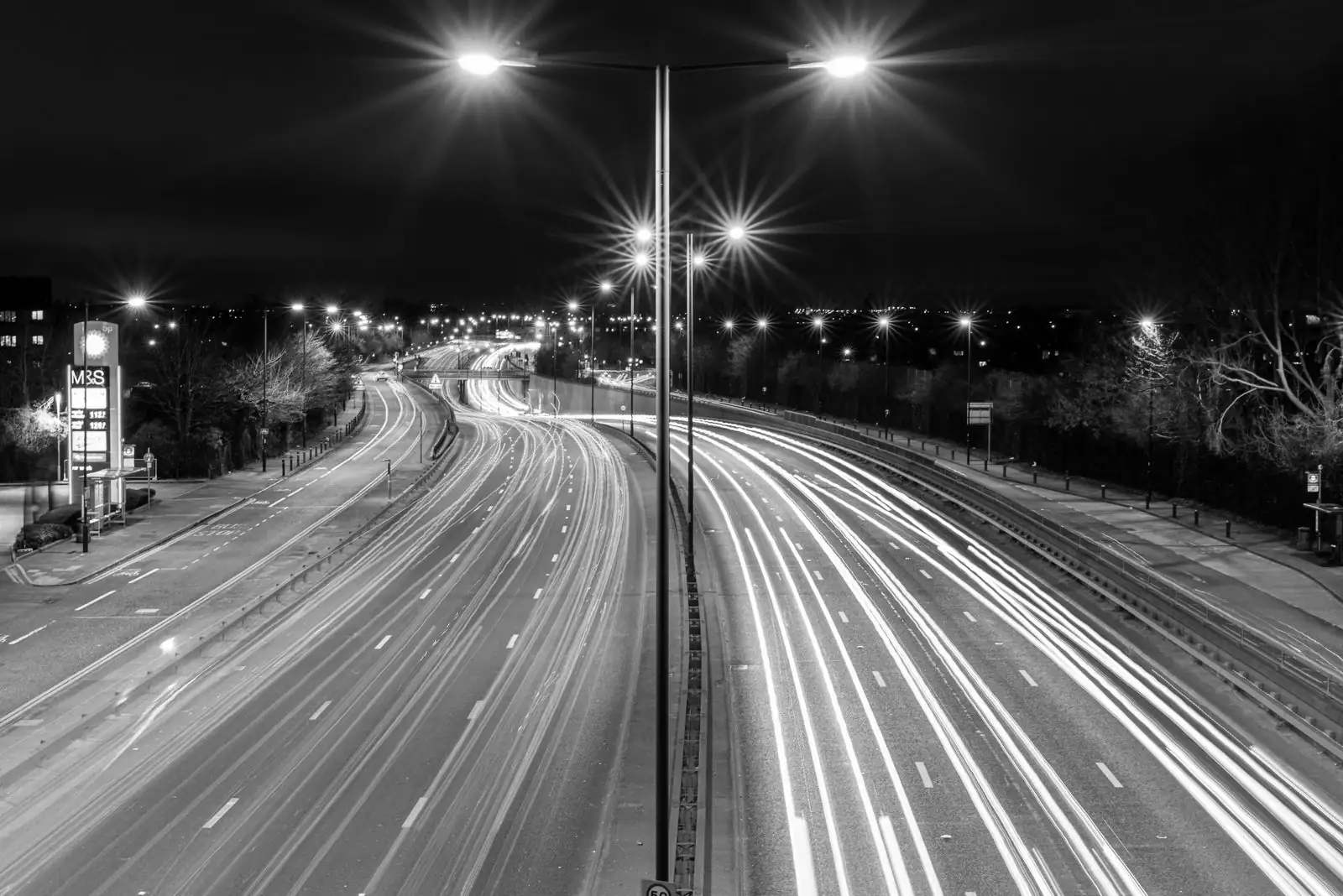
Two taxi firms with the same number of cars can show very different margins, because one keeps the whole fare and the other keeps a weekly rent. We couldn't find a reliable published average profit margin for UK taxi firms, so this guide doesn't quote one. It shows how money moves through a taxi or private hire firm, the costs that come out of it, and a worked example you can redo with your own figures.
What is a profit margin for a taxi firm?
A profit margin is profit divided by income, shown as a percentage. Example: if your firm takes in £10,000 in a month and everything it pays out comes to £9,000, the profit is £1,000 and the margin is £1,000 ÷ £10,000 = 10%.
Two versions are worth knowing:
- Gross margin: income minus the costs that come with each job, such as card fees, airport charges and, if you pay drivers per job, the drivers' share.
- Net profit margin: what's left after everything, including office wages, premises, phones, software, licences and insurance.
Gross margin tells you whether each job pays. Net profit margin tells you whether the firm does. Work out both every month from your own accounts, and compare them with your own last year, never with a figure from somebody else's firm.
How does a taxi firm make its money?
A taxi firm makes money in one of two ways: it sells the journey to the passenger and pays the driver, or it sells a booking service to self-employed drivers, who sell the journey. HMRC's VAT Notice 700/25 calls these acting as principal and acting as agent.
If all your drivers are employees, HMRC treats you as the principal. With self-employed drivers you may be acting as their agent, and that depends on your contracts with them and how the business actually works. As an agent, your income is what you charge the drivers: commission, rent, and charges for things such as vehicle or radio rental.
The law on this was settled in 2025. In D.E.L.T.A. Merseyside Ltd v Uber Britannia Ltd, decided on 29 July 2025, the Supreme Court held that the 1976 Act doesn't require operators outside London to contract with passengers as principal. The court's own summary notes that the Divisional Court had read London's separate regime as requiring operators to accept bookings only as principal.
The model changes what your margin looks like. Example only, with made-up figures: take £16,000 of fares in a week, with drivers keeping 85% of each fare either way.
| Firm acts as principal | Firm acts as agent, 15% commission | |
|---|---|---|
| Firm's income | £16,000, the whole fare | £2,400, the commission |
| Paid to drivers | £13,600 | Nothing: drivers keep their fares |
| Left before other costs | £2,400 | £2,400 |
| As a share of income | 15% | 100% |
The money left is the same. The percentage isn't. That's why a margin only means something next to how the firm is paid.
Weekly rent or commission: which earns the firm more?
Weekly rent earns the same whether drivers are busy or not, while commission rises and falls with the work. So rent is better for the firm in a slow month, and commission is better in a busy one.
Example only, with made-up figures. Compare a £120 weekly rent with 15% commission, per driver:
| Driver's takings in the week | 15% commission | £120 weekly rent |
|---|---|---|
| £600 | £600 × 15% = £90 | £120 |
| £800 | £800 × 15% = £120 | £120 |
| £1,000 | £1,000 × 15% = £150 | £120 |
On rent, the driver carries a slow week. On the commission model, you do. Many arrangements mix the two, with a lower rent and a smaller commission. Whichever you choose, drivers judge it on what they keep, so read our guide to taxi driver retention before you change it.
Where does the money go in a taxi firm?
If you staff your own phones, the office is likely to be your biggest cost, because someone has to answer during every hour you're open. In the 20-car worked example on this page, wages are £83,185 of £105,588 in costs, or 79%. The rest is licences, checks, card fees, premises, phones, software, insurance and marketing.
| Cost line | A sourced figure | What to know |
|---|---|---|
| Office and controller wages | National Living Wage £12.71 an hour at 21 and over, from 1 April 2026 | Employer National Insurance is 15% above £5,000 a year per employee. Employment Allowance can take up to £10,500 off the firm's bill if you're eligible |
| Holiday cover | 5.6 weeks' paid holiday a year for staff on a 5-day week | Covering a seat all year takes 52 ÷ 46.4 = 1.12 times the hours |
| Operator licence | Sheffield: £3,137 for 5 years for 11 to 50 vehicles. Birmingham: £1,329 for 5 years for 1 to 5 vehicles | Fees rise with fleet size, so check your council's bands |
| DBS checks for booking and dispatch staff | £20 for a basic check from 5 October 2026 | The statutory standards expect one for everyone on your booking staff register |
| Card fees | Stripe's standard rate: 1.5% + 20p for standard UK cards | Build them into fares, not on top |
| Airport charges | Heathrow: £7 each time a vehicle enters a terminal drop-off zone | Price them into fixed airport fares |
| Premises, phones, software, insurance, marketing | No national figure | Get quotes and use your own bills |
| Corporation tax, for a limited company | 19% on profits of £50,000 or less, 25% on profits over £250,000 | Marginal Relief applies in between |
If you own the cars, add finance, insurance, servicing and the cost of a car standing idle with no driver. Driver rent then has to cover them.
A worked example: a 20-car firm on commission
Example only. Every input here is made up to show the arithmetic, and the result is not an industry figure. The firm has 20 self-employed drivers, each doing 50 jobs a week at an average fare of £18. It takes 15% commission, 40% of fares are paid by card through the firm, and one person staffs the office 16 hours a day, every day. Premises, phones, software, insurance and marketing come to £12,000 a year. The firm is licensed in Sheffield.
| Line | Working | £ a year |
|---|---|---|
| Commission | 20 × 50 × £18 = £18,000 of fares a week; × 15% = £2,700; × 52 | 140,400 |
| VAT on that commission | Above £90,000, so the firm registers. If the 15% has to carry the VAT, one-sixth goes to HMRC: £140,400 ÷ 6 | −23,400 |
| Income after VAT | £140,400 − £23,400 | 117,000 |
| Office wages | 16 hours × 365 days = 5,840 hours × £12.71 = £74,226.40; × 52 ÷ 46.4 for holiday cover | −83,185 |
| Operator licence | £3,137 ÷ 5 years | −627 |
| Card fees | 52,000 jobs × 40% = 20,800 card fares × (1.5% of £18 + 20p = 47p) | −9,776 |
| Everything else | Example input | −12,000 |
| Profit before tax | £117,000 − £105,588 | 11,412 |
| Net profit margin | £11,412 ÷ £117,000 | 9.8% |
The example leaves out employer National Insurance: with four staff sharing the hours it comes to about £9,478, which the £10,500 Employment Allowance would cover if the firm can claim it. If it can't, profit falls to about £1,934. Pension contributions, the VAT the firm can reclaim on some costs and the VAT Flat Rate Scheme are left out too, and each one changes the result.
Now add 5 jobs a week to each driver. That's 20 × 5 × £18 × 15% × 52 = £14,040 more commission a year, or £11,700 after VAT. The office costs the same, so after about £978 of extra card fees, profit nearly doubles. Filling drivers' hours does more for the margin than almost any saving.
How does VAT change a taxi firm's margin?
VAT becomes a cost once your taxable turnover passes the VAT registration threshold of £90,000 in 12 months, and you must register within 30 days of the end of the month you went over. What counts as turnover depends on how you're paid.
As principal, it's the whole fare. As an agent, it's what you charge drivers, and Notice 700/25 says VAT is due at the standard rate on charges to drivers for vehicles, radios and other services. The standard rate is 20%. Turnover from commission alone can cross the threshold, as it does in the example.
Principal firms lost an option in January 2026. From 2 January 2026, private hire operators acting as principal can no longer use the Tour Operators' Margin Scheme for passenger journeys, unless the journeys are part of a package with other travel services. HMRC says journeys a driver supplies directly to a passenger aren't affected. Our guide to taxi business tax goes through VAT and the rest in detail, and an accountant should check your own position.
How can a taxi firm improve its profit margin?
Fill the hours you already pay for. The office, the licence and the software cost the same whether your drivers do 40 jobs a week or 55, so each extra job adds almost its whole value to profit.
- Answer the calls you already get. A booking that rings out is income you paid for and lost. Our guide to missed calls in a taxi office shows how to count them.
- Price the whole job. Include the miles to the pickup, the empty miles home, card fees and airport charges. Our guide to pricing taxi fares has a worked example.
- Chase account money. With no agreed date, a business payment is late 30 days after the invoice, and you can claim statutory interest of 8% plus the Bank of England base rate.
- Review charges and prices on fixed dates. Do it after any big change in fuel, wages or licence fees.
- Look hard at the quiet hours. A person by the phone at 3am costs the same per hour as one at 6pm, for a fraction of the calls.
Dispatch AI is booking and dispatch software for taxi and private hire firms: night calls answered without hiring a night controller, on the hours you choose. You can see the monthly prices and put them into the same sum as everything else. Track the results with the taxi business KPIs that show where the margin is going.
Frequently asked questions
What is a good profit margin for a taxi business?
We couldn't find a reliable published average for UK taxi firms, and the figure would mislead anyway, because a firm acting as principal and a firm on commission show very different percentages for the same profit. Measure your own net profit margin every month and aim to raise it year on year.
Do I pay VAT on driver rent?
If you're registered for VAT, yes. HMRC's Notice 700/25 says operators account for VAT at the standard rate on the full charge to drivers for vehicles, radios or other services, even when it's deducted from fares you collect for them. Below the £90,000 threshold you don't have to register.
Is a taxi firm more profitable if it owns the cars?
Not automatically. Owning cars adds finance, insurance and servicing, and a car with no driver still costs you every week. Work it out car by car: rent received minus the car's costs, with a realistic allowance for weeks it stands idle.
How much corporation tax does a taxi company pay?
A limited company pays 19% on profits of £50,000 or less and the 25% main rate on profits over £250,000, with Marginal Relief between the two. A sole trader pays income tax and National Insurance on profits instead.
Sources
- How VAT applies to taxis and private hire cars, Notice 700/25 (HMRC) principal and agent, VAT on charges to drivers
- D.E.L.T.A. Merseyside Ltd and another v Uber Britannia Ltd [2025] UKSC 31: press summary (The Supreme Court) operators outside London need not contract as principal; the London regime
- Private hire vehicle operators and the change in legislation for the Tour Operators' Margin Scheme (HMRC) from 2 January 2026
- When to register for VAT (GOV.UK) the £90,000 threshold and the 30-day rule
- VAT rates (GOV.UK) the 20% standard rate
- VAT Flat Rate Scheme: how much you pay (GOV.UK) flat rates by trade, including taxis
- Rates and thresholds for employers 2026 to 2027 (GOV.UK) National Living Wage £12.71, employer NI 15% above £5,000, Employment Allowance £10,500
- Employment Allowance: eligibility (GOV.UK) who can claim
- Holiday entitlement (GOV.UK) 5.6 weeks' paid leave
- Taxi fees and charges (Sheffield City Council) operator licence fees by fleet size
- Taxi licensing fees and charges (Birmingham City Council) small operator licence fees
- DBS reduces fees for checks and Update Service from 5 October 2026 (Disclosure and Barring Service) basic check £20
- Pricing (Stripe) 1.5% + 20p for standard UK cards
- Terminal Drop-Off Charge (Heathrow Airport) £7 a visit
- Corporation Tax rates (GOV.UK) 19%, 25% and Marginal Relief
- Charging interest on late commercial payments (GOV.UK) 8% plus base rate
Checked 9 October 2026. Rules and fees change, so check with your licensing authority before you rely on a figure.