
How to keep drivers busy in taxi quiet times: work that fills the gaps
The short answer
To keep drivers busy in taxi quiet times, find the quiet hours in your own booking records, then fill them with pre-booked work: council school runs, airport runs, weekday account work and off-peak offers to regulars. Put fewer drivers on in the quiet blocks. The statutory standards suggest keeping booking records for at least 6 months, which is enough to see the pattern.
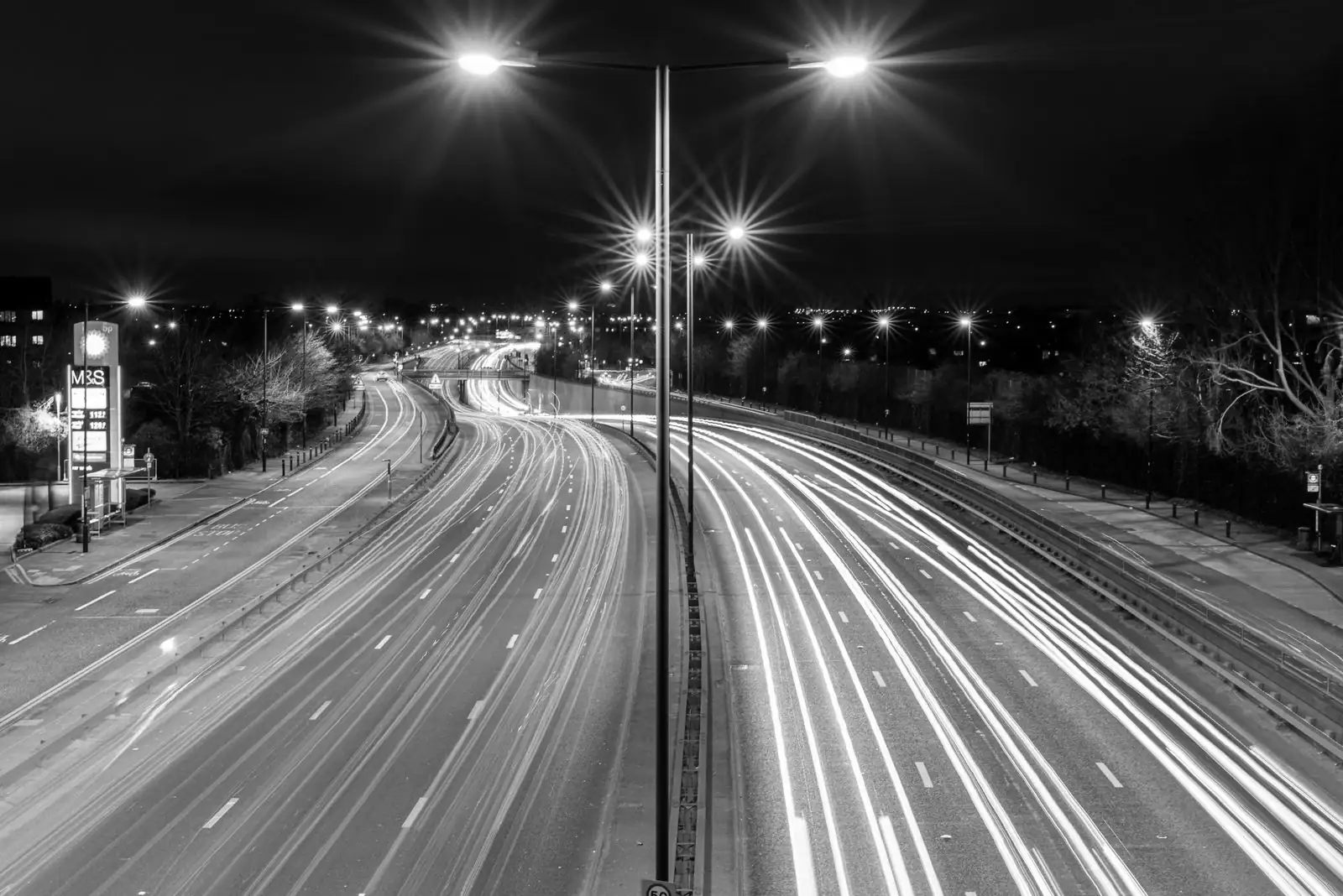
Every firm has hours when drivers sit in a lay-by or outside the office waiting for a job. Those hours cost the drivers money, and drivers who earn too little in them move to a firm where they don't. This guide covers how to find your own taxi quiet times from your records, the pre-booked work that fills them, the rules on offers to regulars, and how to set shifts so fewer drivers wait at once.
When are your taxi quiet times?
Your booking records tell you. Don't go by feel: a quiet hour everyone remembers can be busier than one nobody mentions.
Outside London, section 56(2) of the Local Government (Miscellaneous Provisions) Act 1976 requires an operator to record every booking before the journey starts, and the statutory standards suggest keeping those records for at least 6 months. In London, TfL requires 12 months. Six months of records shows you the pattern by hour and day, across a school term and a school holiday.
Take the time of each job and the hours each driver was logged on, and count both by hour of the week. Then work out jobs per driver hour for each block of the day.
Example, with made-up figures. One week of weekday totals for a 12-car firm:
| Weekday hours | Jobs | Driver hours | Jobs per driver hour |
|---|---|---|---|
| 6am to 9am | 60 | 45 | 1.33 |
| 9am to 2pm | 50 | 100 | 0.50 |
| 2pm to 4pm | 55 | 40 | 1.38 |
| 4pm to 7pm | 70 | 60 | 1.17 |
| 7pm to 11pm | 40 | 80 | 0.50 |
In this example, 9am to 2pm and weekday evenings are the quiet blocks: each driver does one job every two hours. Those are the hours to fill, or to put fewer drivers on. The numbers to track in a taxi firm explains jobs per driver hour in more detail.
What work fills quiet hours?
Pre-booked work, because you can put it where the gaps are. On-demand work comes when passengers want it, which is why the gaps exist in the first place.
| Work | When it runs | What it needs | Check first |
|---|---|---|---|
| Council school runs | Around the start and end of the school day | A contract, checked drivers, sometimes a passenger assistant | The council's tender rules |
| Airport runs | Whenever flights suit: late-morning departures land in the midday lull | Reliable timekeeping and fixed prices | Airport drop-off charges |
| Business accounts | Weekday office hours | Invoicing, named contacts, punctual pickups | Payment terms |
| Regulars' appointments and shopping | Mid-morning and early afternoon | A friendly, steady service | How you'll tell them about offers |
| Parcels and deliveries | Any quiet hour | The council's and your insurer's agreement | Whether it's allowed at all |
| Platform and marketplace jobs | Whenever offered | Terms you can live with | The platform's licence and terms |
Each kind of work has its own catch, so here they are in turn.
How do school runs fill quiet hours?
School runs put cars to work either side of the school day, and the afternoon run lands in the early-afternoon lull. The Department for Education's statutory guidance on travel to school, updated on 26 May 2026, says councils must make arrangements for an eligible child to travel to school for the start of the school day and home at the end of it. It's for each council to decide how, and the guidance names a bus pass, a dedicated school bus or a taxi as examples.
Councils buy this work through procurement. The Procurement Act 2023 came into force on 24 February 2025, so watch your council's procurement pages and the government's Find a Tender service, which carries higher-value public contracts. Drivers on school work need whatever checks the council asks for: the DfE guidance says it's for the council arranging the travel to decide whether to run its own DBS check or rely on the one done for the driver's licence.
School runs only happen on school days, so plan the holidays too. Winning council school transport contracts covers the tendering, and starting a school transport business covers the checks and the vehicles.
Can airport runs and account work fill the gaps?
Yes, and both are worth chasing because they're booked ahead. Airport runs aren't only early starts: a passenger on a 1pm flight leaves home in the late morning, right in a quiet block, and arrivals in the early afternoon need collecting too. Account work fills weekday office hours: staff to meetings, visitors from the station, clients back to the airport.
Ask account customers about their regular trips. A solicitor who sends a client to court every Tuesday morning is a booking you can plan a driver around. To win more of both kinds of work, offer a fixed price, confirm every booking and turn up early. Winning more airport work covers the airport side, and for accounts start with how to get corporate taxi clients and what businesses want from a taxi account.
Can private hire drivers do deliveries in quiet hours?
Only if your council and your insurer agree. The 1976 Act defines a private hire vehicle as one provided for hire with a driver for the purpose of carrying passengers, and I haven't found a national rule that settles whether a licensed car can carry parcels with no passenger in it.
So ask before anyone tries it. Ask your council's licensing team whether its conditions allow goods-only work in a licensed car, and get your insurer's answer in writing before any driver takes a parcel job. If either says no, don't do it.
How do offers to regulars fill quiet hours?
Give your regulars a reason to book at quiet times: a fixed off-peak price for the weekly shopping run, the Tuesday hair appointment or a mid-morning station run. The Department for Transport's best practice guidance says councils have no power to set fares for private hire vehicles, so a private hire firm can price its quiet hours as it likes. For hackney carriages, councils can set maximum fares for journeys in their area, and the guidance says most do, so check your council's table of fares before you advertise an offer.
How you tell people matters. A text or email offering a discount is marketing. The ICO says the soft opt-in may let you email or text your own customers about similar services if they bought from you, gave you their details and didn't opt out, as long as you gave them a clear chance to opt out when you collected their details and in every message since. It doesn't apply to new contacts or bought-in lists.
Show the full price, too. The Competition and Markets Authority's price guidance allows a "from" price only if it includes every unavoidable charge and doesn't mislead.
Dispatch AI is booking and dispatch software for taxi and private hire firms. It answers your phone, WhatsApp, texts and emails, books the jobs at your prices and sends them to your drivers on your own app. Whatever you use, tag offer bookings as their own source, so you can see whether the offer filled the hours you aimed it at. Turning one-off passengers into regulars and how to win back lost taxi customers cover the wider approach.
How should you set driver shifts around quiet hours?
Put fewer drivers on in the quiet blocks and more at the peaks, so the work is shared among fewer cars. Ten drivers sharing five jobs in an hour earn half a job each. Five drivers sharing the same five jobs earn a whole one each.
How you get there depends on how your drivers work with you:
- Self-employed drivers choose their own hours. Show them the busy and quiet hours from your records and offer the peak slots first. GOV.UK lists being under the supervision or control of a manager or director among the signs that someone is a worker rather than self-employed, so read self-employed or employed drivers before you set rules about hours.
- Drivers on weekly rent pay the same whether the hour is busy or quiet, so idle hours hurt them most. Drivers on commission pay nothing for an idle hour, but earn nothing in it either. Driver commission or weekly rent compares the two.
- Employed drivers are paid for their hours, at no less than the National Living Wage of £12.71 an hour for those aged 21 and over from 1 April 2026. Quiet hours cost you directly, and the shift pattern is yours to set.
Staggered shifts help everyone. A driver who starts at 6am for the early airport runs and finishes at 2pm, and another who starts at 2pm for the school runs and works into the evening, cover the day with fewer idle hours between them. Keeping good drivers covers why steady work keeps drivers with you.
Frequently asked questions
What are the quietest hours for a taxi firm?
It depends on your town and your work, so check your own booking records by hour of the week. Look for blocks where jobs per driver hour falls well below your busy hours. Those are your quiet times, whatever they turn out to be.
Should I pay drivers to wait during quiet hours?
Self-employed drivers are paid by the job and choose their hours, so you don't pay them to wait. Employed drivers are paid for the hours they work, at no less than the National Living Wage of £12.71 an hour for those aged 21 and over. Matching shifts to the work matters most when you employ drivers.
Can I offer cheaper fares at quiet times?
If you run private hire, yes: councils have no power to set private hire fares, so an off-peak price for regulars is your call. Show the full price, including any unavoidable charges. If you run hackney carriages, check your council's table of maximum fares first.
Can I use platform jobs to fill quiet hours?
You can, if the platform is a licensed operator and its terms work for you. A platform job generally pays you less than a direct one, but more than an idle car. Our guide to taxi booking platforms for operators covers the checks.
Do school transport contracts run in the holidays?
School runs only happen on school days, so expect that work to stop in the holidays unless the contract includes other journeys. Read the contract's terms on non-school days before you plan drivers around it.
Sources
- Local Government (Miscellaneous Provisions) Act 1976, section 56 (legislation.gov.uk) booking records before each journey
- Local Government (Miscellaneous Provisions) Act 1976, section 80 (legislation.gov.uk) definition of a private hire vehicle
- Statutory Taxi and Private Hire Vehicle Standards (Department for Transport) section 8.3: booking records kept for at least 6 months, suggested
- Private Hire Vehicles (London) (Operators' Licences) Regulations 2000, consolidated September 2022 (TfL) regulation 16: bookings kept for 12 months
- Travel to school for children of compulsory school age (Department for Education) statutory guidance updated 26 May 2026, paragraphs 64 and 68, and annex 2 on DBS checks
- Transforming public procurement (GOV.UK) the Procurement Act 2023 came into force on 24 February 2025
- Find a Tender (GOV.UK) higher-value public contracts
- Taxi and private hire vehicle licensing: best practice guidance (Department for Transport) councils set maximum taxi fares and have no power to set private hire fares
- Electronic mail marketing (Information Commissioner's Office) the soft opt-in and opting out
- Providing clear and accurate information about prices: summary, CMA209 (Competition and Markets Authority) "from" prices must include unavoidable charges
- Employment status: worker (GOV.UK) signs that someone is a worker
- Rates and thresholds for employers 2026 to 2027 (GOV.UK) National Living Wage £12.71 from 1 April 2026
Checked 10 October 2026. Rules and fees change, so check with your licensing authority before you rely on a figure.