
Taxi busy periods: handling the Friday night rush in a taxi office
The short answer
Taxi busy periods such as the Friday night rush are won before they start. Count last month's Friday bookings hour by hour, fill the early evening with pre-booked jobs, confirm drivers by midweek, decide where calls go when every line is busy, and give each caller an honest wait time. Fares have rules too: Birmingham's hackney weekend night tariff, for example, starts at 22:00 on Fridays.
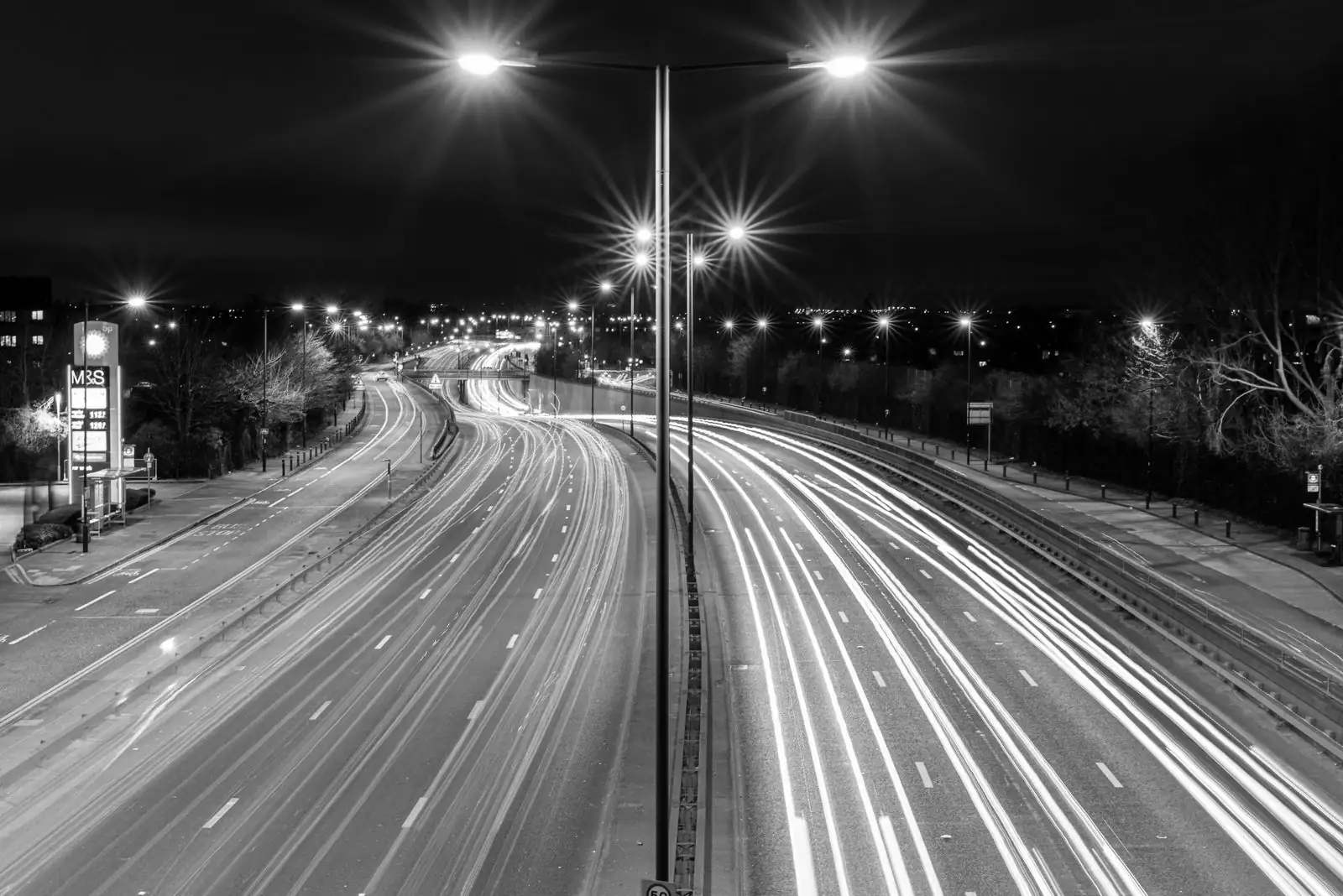
Friday night is when a taxi office earns its week or gives it away. The phones ring faster than anyone can answer, drivers want to finish at midnight, and the passenger outside the pub wants a car now. Here's how to find your busy periods, staff them, fill them with booked work, deal with the calls you can't take, and stay on the right side of the rules on wait times, fares and passing jobs on.
When are a taxi firm's busy periods?
Your own booking records will tell you. Section 56 of the Local Government (Miscellaneous Provisions) Act 1976 already makes an operator record the details of every booking before the journey, and the Department for Transport's statutory standards ask councils to make operators keep those records for at least 6 months. You're sitting on the answer.
Pull last month's bookings and count them by hour, for each day of the week. Then lay the calls you didn't answer over the top, from your phone provider's call log. The hours where both lines climb at once are your real busy periods: demand is there, and either the office or the fleet runs out.
These are the ones worth checking in your own figures:
| Busy period | What drives it | What to plan |
|---|---|---|
| Friday and Saturday nights | Pubs, restaurants and clubs closing | Drivers on until the last rush, returns booked in advance |
| Bank holiday weekends | A Sunday that behaves like a Saturday | A rota agreed a week ahead |
| Christmas Eve and New Year's Eve | Parties, early finishes, big venues | Bookings opened weeks ahead, with a cut-off |
| Match days, concerts, graduations | One venue emptying at once | A pickup point agreed with the venue |
| Early airport runs | Flights leaving before 7am | Pre-books only, confirmed the night before |
Once you know your peaks you can staff them properly. Guessing means too many drivers at 9pm and too few at 1am.
How do you get enough drivers out on a Friday night?
Ask by Wednesday, and make the late shift worth a driver's while. You can't order a self-employed driver out on a Friday, so your job is to make the night look like good money.
Driver availability comes down to a few habits:
- Ask every driver for their Friday hours, including their finish time, by Wednesday.
- Show them the pre-booked jobs already in for Friday. Booked work is the best reason to come out.
- Stagger finishing times so the whole fleet doesn't go home at midnight.
- Know which drivers have wheelchair accessible vehicles, and when they're on.
There are plenty of licensed drivers about. The Department for Transport counted 417,300 taxi and private hire driver licences in England on 1 April 2026, up 9% on 2024. The question is whether enough of them are out for you between 11pm and 2am.
Watch the licensing. For private hire work, GOV.UK says the driver licence, vehicle licence and operator licence all need to be issued by the same authority. A mate with a badge from the next council can't just help out for the night.
How do pre-booked jobs take the pressure off?
A job booked on Tuesday is a call nobody has to answer at 11pm on Friday. Pre-booked jobs also let you see the night filling up before it starts, so you know how many cars you need.
- Ask for the return when you take the outward booking: "What time shall we pick you up?"
- Send a confirmation for every booking, so people trust the booking enough to stop ringing round.
- Agree pickup points with the restaurants, hotels and function rooms that empty late.
- Set a cut-off for the busiest hour on the biggest nights, once your drivers are full.
Keep the confirmation about the booking. The ICO says routine service messages, such as confirming a booking, aren't direct marketing, but a service message that also promotes your services counts as marketing, and the marketing rules then apply.
The trap is overbooking. Example: if a town-centre job takes 30 minutes there and back, one car does two jobs an hour, so 10 cars do 20. Take 30 bookings for the hour after midnight and 10 people get a late car, and probably a complaint to go with it.
What happens to calls when every line is busy?
A caller who hears an engaged tone, or a phone that rings and rings, rings the next firm. Decide where those calls go before Friday, not at 11pm.
On a standard BT business line, code 67 diverts calls when the line is engaged and code 61 diverts calls that aren't answered within 15 seconds. Other providers work differently, so check yours. Our guide to call overflow for taxi firms goes through each kind of divert and how to test it.
| Option | What the caller gets | The catch |
|---|---|---|
| A queue message | Held in line until someone's free | Callers hang up when the wait is long |
| Divert to a second phone | Another person in your firm | Someone has to be free to answer it |
| An answering service | A person who takes a message or a booking | They need your prices and zones, and you pay for it |
| An AI phone agent | A booking taken at your prices | Test it on your own awkward addresses first |
| Pass the job to another firm | A car from someone you trust | The job is still yours if it goes wrong |
Dispatch AI is booking and dispatch software for taxi and private hire firms. Its AI phone agent answers your booking line when your office doesn't, quotes your own fixed prices and books the job, with each agent taking up to 10 calls at once. You choose the hours, so it can cover Friday and Saturday nights only.
To see how many Friday calls you're losing now, follow the steps in counting missed calls in a taxi office.
How do you give an honest wait time?
Tell the truth, in minutes, before the caller says yes. "About 45 minutes tonight" keeps more customers than "10 minutes" followed by a 45-minute wait.
It's also the law. Section 50 of the Consumer Rights Act 2015 treats anything you say to a consumer about the service as a term of the contract, if they take it into account when deciding to book. Where no time is agreed, section 52 says the service must be done within a reasonable time. And since 6 April 2025 the unfair commercial practices rules in the Digital Markets, Competition and Consumers Act 2024 have applied, under which giving false or misleading information about a service is a misleading action.
So on a busy night:
- Give a range, not a single number: "40 to 50 minutes".
- Make sure whoever answers knows the live wait. Update it every 15 minutes.
- Text the passenger if the car slips past the time you gave.
- Offer a later pre-book to anyone who can't wait that long.
An honest wait time also cuts the repeat calls. A caller who was told 40 minutes doesn't ring back at 20 minutes asking where the car is.
Can you charge more on a busy night?
For hackney carriages, only what the council's fare table allows. For private hire, yes, as long as the passenger knows the price before they travel.
Hackney fares come from your council's table of fares, and the meter picks the tariff by date and time. Birmingham City Council's table (dated 1 April 2025) runs tariff two, the weekend night rate, from 22:00 on Fridays and Saturdays to 07:00 the next day, at £2.31 a mile against £2.04 on tariff one. In London, TfL's tariff 3 applies every night from 22:00 to 05:00, and an extra £4 is added between 20:00 on 24 December and 06:00 on 27 December, and again over New Year.
Private hire firms set their own prices, but the passenger has to agree them. In London, the operator must agree the fare or give an accurate estimate before each journey starts, under regulation 9(3) of the private hire operators' licensing regulations. Bristol's driver conditions say a driver must not demand more than the fare agreed between the hirer and the operator.
A higher late-night price said at the time of booking is fair trading. A higher price sprung on someone in the back of the car isn't. There's more on the rules in our guide to surge pricing for taxi firms.
Can you pass jobs to another firm when you run out of cars?
Yes, outside London, if the other firm holds a private hire operator licence. Section 55A of the 1976 Act, in force since 1 October 2015, lets you sub-contract a booking to an operator licensed by your own council or by another one, to a London operator, or to an operator in Scotland.
The job stays yours. Liverpool City Council's operator conditions (in effect from 12 February 2026) say the operator who accepted the booking keeps responsibility for the journey and for dealing with any complaint about it, and must keep a full record of every sub-contracted booking.
The statutory standards add one more line: you can outsource booking and dispatch, but not your duty to protect children and vulnerable adults.
Set the arrangement up on a quiet Tuesday. Agree the prices, how you'll pass the details, and who rings the passenger if the car is late. Our guide to cross-border hiring and subcontracting covers the rules on passing a job to another firm.
What should you check the morning after?
Fifteen minutes on Saturday morning tells you what to fix by next Friday.
- Calls offered, answered and missed, by hour, from the phone log.
- Bookings you turned away, and why.
- The waits you quoted against the times the cars turned up.
- Complaints and lost property, logged the way your council asks.
- No-shows and late cancellations from the busy hours.
- Which drivers finished when, against what they said on Wednesday.
Write the figures down every week. After a month you'll know whether the fix for Friday is more drivers, more phone cover or more pre-books. For the last two items, see our guides to taxi customer service and cutting no-shows and late cancellations.
Frequently asked questions
Should I stop taking bookings when no cars are free?
Stop promising times you can't meet, which isn't the same thing. Tell the caller the real wait and let them choose. Once the wait passes what a customer will accept, offer a later pre-book or pass the job to a licensed firm you trust.
Do I still have to take wheelchair users' bookings on a busy night?
Yes. Since 28 June 2022, section 167A of the Equality Act 2010 makes it an offence for a private hire operator to refuse a booking because the passenger is disabled. The law gives a defence where refusing was reasonable because you had no suitable vehicle, so note on the booking record why you couldn't take it.
Is a second controller worth it on Fridays?
Work it out with your own numbers. Example: a controller for 5 hours at the National Living Wage of £12.71 an hour costs £63.55, before holiday pay and any employer costs. If the extra person books more than that in jobs you'd otherwise lose, it pays. Our guide on when to hire a taxi controller has the full sum.
How early should I open bookings for New Year's Eve?
As soon as you know how many drivers you'll have. Take names and times early, set a cut-off for the hour after midnight, and send every passenger a confirmation so they don't book two firms "just in case".
Can I use drivers licensed by another council on a busy night?
Not for your own private hire bookings, because the driver, vehicle and operator licences all need to come from the same authority. You can sub-contract the booking to an operator licensed by that other council instead.
Sources
- Taxi and private hire vehicle statistics, England: 2026 (Department for Transport) driver licences at 1 April 2026, published 13 August 2026
- Local Government (Miscellaneous Provisions) Act 1976, section 56 operators' booking records
- Local Government (Miscellaneous Provisions) Act 1976, section 55A sub-contracting by operators, in force 1 October 2015
- Statutory Taxi and Private Hire Vehicle Standards (Department for Transport) booking records kept 6 months; outsourcing and safeguarding
- Private hire vehicle operator licence (GOV.UK) driver, vehicle and operator licences from the same authority
- Using Call diversion to forward calls (BT Business) codes 61 and 67, the 15-second divert
- Identify direct marketing (ICO) service messages and marketing
- Consumer Rights Act 2015, section 50 what the trader says becomes a term
- Consumer Rights Act 2015, section 52 service within a reasonable time
- Unfair commercial practices, CMA207 (Competition and Markets Authority) DMCC Act rules in force 6 April 2025, misleading actions
- Hackney carriage table of fares (Birmingham City Council) weekend night tariff, dated 1 April 2025
- Taxi fares (Transport for London) tariffs and the Christmas and New Year extra, from 25 April 2026
- Private Hire Vehicles (London) (Operators' Licences) Regulations 2000, consolidated (TfL) regulation 9(3), fare agreed or estimated before the journey
- Hackney Carriage and Private Hire Licensing Policy 2021 to 2026 (Bristol City Council) driver condition on the agreed fare
- Private Hire Operator Standard Licence Conditions, from 12 February 2026 (Liverpool City Council) sub-contracted bookings and responsibility
- Equality Act 2010, section 167A private hire operators and disabled passengers, inserted 28 June 2022
- Rates and thresholds for employers 2026 to 2027 (GOV.UK) National Living Wage £12.71 from 1 April 2026
Checked 9 October 2026. Rules and fees change, so check with your licensing authority before you rely on a figure.